
Pollution Alert Downgraded After Emissions Halt
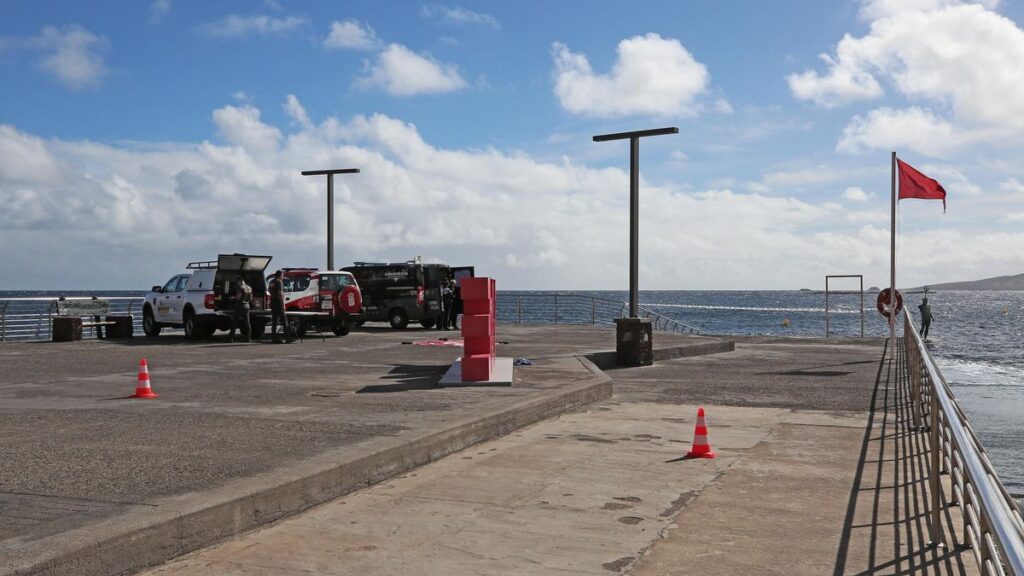
The Canary Islands government downgraded the marine pollution situation on the coast of Telde, Gran Canaria, to a pre-alert status on Tuesday. The decision was made after helicopter surveillance and government technicians confirmed that emissions had stopped from the fish farm where the problem originated.
Political Announcement and Ongoing Investigation
The Minister for Territorial Policy and Water, Manuel Miranda, announced the move during a plenary session of the Canary Islands Parliament. He explained that the decision followed a morning meeting of the Canary Islands Autonomous Community Civil Protection Territorial Plan (PLATECA). The alert, initially covering several municipalities over a week ago, had already been limited to the territorial scope of Telde.
Minister Miranda acknowledged the incident—caused by the death and decomposition of thousands of sea bass at a fish farm off the Telde coast—as a “natural catastrophe.” Authorities are now working to determine if the causes stem from a discharge that reached the fish cages or if the situation originated within the farm itself.
Beaches Remain Closed Amid Public Health Concerns
Regarding the reopening of the five closed beaches in Telde, Miranda stated that the decision rests with the local council based on available information. However, he noted that the current situation does not encourage reopening. “We know there are no emissions from the fish farms, no contaminants are still coming out. But if we follow public health recommendations, it’s true there is no contamination from the e.coli bacteria, but there are stains that could generate some type of pathology,” he explained.
The minister confirmed that the fish farm company itself has filed a complaint with the public prosecutor’s office. He committed to clarifying the origin, which is being investigated by the Guardia Civil’s Seprona environmental unit and the Environmental Prosecutor’s Office. Miranda asserted that sanctioning proceedings will be initiated once the cause is known, whether it results from a third-party discharge or the fish farm’s responsibility, citing the “significant damage” caused.
Political Demands for Transparency and Accountability
Miranda was responding to questions from PSOE deputy Alicia Vanoostende and Partido Popular deputy Sonsoles Martín. The socialist representative demanded greater transparency and consideration for the economic repercussions on tourism and hospitality. She also stressed the need to identify the cause and those responsible. “The polluter pays,” insisted Vanoostende, conveying locals’ demands for access to water analysis reports and for political representatives, including the minister or the President of the Canaries, to visit the site. She concluded by calling it “one of the worst catastrophes on the coast in the last twenty years.”
In her intervention, PP deputy Sonsoles Martín, a resident of the affected area, described the situation as unpleasant and expressed frustration with the management of the beach closures and the uncertainty over the cause. “What the public demands is clarity, that responsibilities are assumed, and that controls are established so this does not happen again,” she concluded.
No post found!