
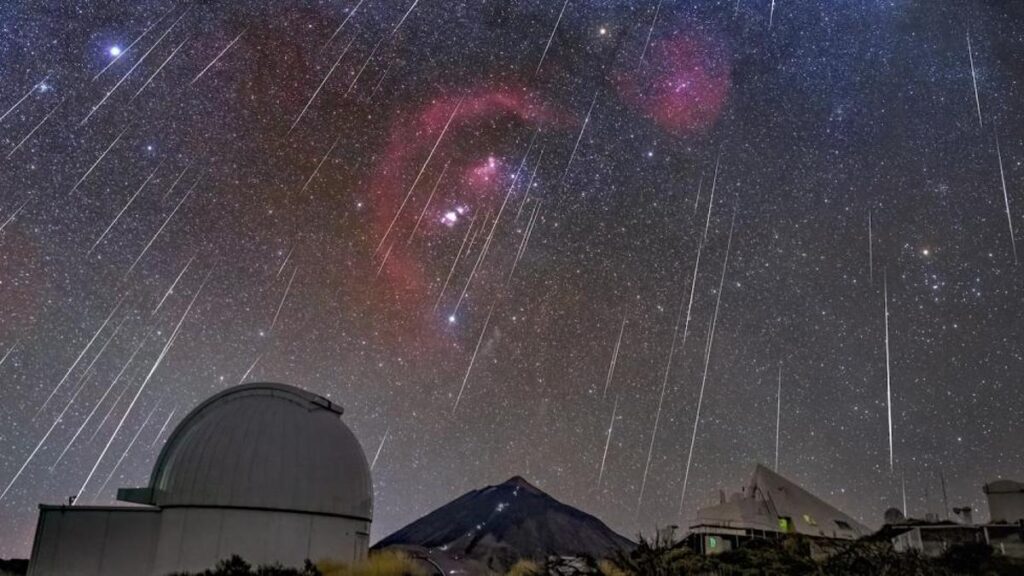
December Skies Set for Dazzling Geminid Meteor Shower
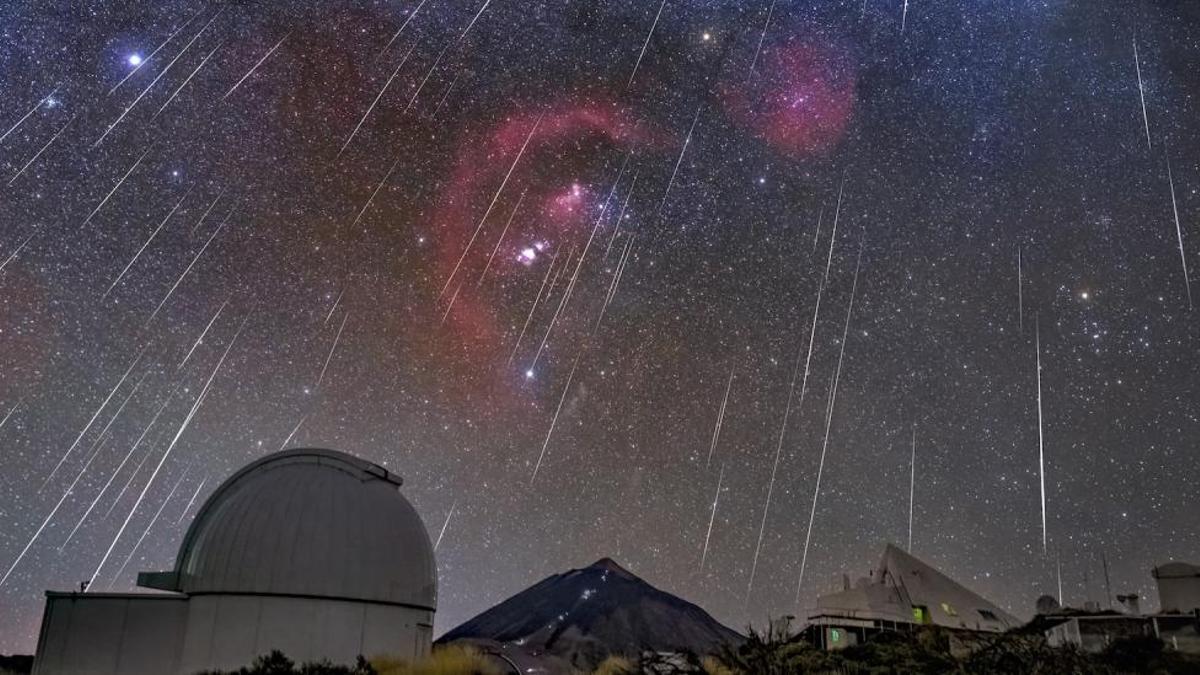
The December sky will gift us one of the most impressive and anticipated astronomical phenomena: the Geminid meteor shower. Although perhaps less famous than the August Perseids, the Geminids can surpass them in spectacle. Their main characteristics are that they are brighter, more numerous, and move more slowly, allowing you to enjoy them for longer. Furthermore, they frequently display colours ranging from yellowish to green, making them very striking, as announced yesterday by the Institute of Astrophysics of the Canary Islands (IAC).
When and Where to Watch the Celestial Display
The peak activity of the Geminids is forecast for the early hours of 13 to 14 December, from this Saturday to Sunday. The maximum activity is expected around 08:00 Universal Time, by which time it will already be daylight, so the best time to enjoy them will be on Saturday night. The enemy of meteor observation is moonlight but, fortunately, this year it will be in its last quarter phase and will not appear in the sky until around 03:00 in the morning.
The radiant of the shower, in the constellation of Gemini, makes its appearance around 20:00, so, little by little, meteors will begin to appear from that moment. The optimal time slot for observation is between 01:00 and 03:00 in the morning (Canary Islands time). During those hours, total darkness is guaranteed, and Gemini will be sufficiently high in the sky to provide an excellent viewing angle. Under ideal conditions, around 150 meteors per hour could be spotted, surpassing the Perseid average by 50%.
The Unique Asteroid Origin of the Geminids
The origin of the Geminids is what makes this a truly unique meteor shower. Unlike most meteor showers, which come from comets, the Geminids originate from an asteroid: (3200) Phaethon. This object, about 5 to 6 kilometres in diameter, is classified as a hybrid, displaying characteristics of both a comet and an asteroid.
Phaethon has an orbit that brings it considerably close to the Sun. Every time this happens (its orbital period is 523 days), the intense heat causes its surface to release dust and small fragments. These fragments are distributed along its trajectory. Each December, the Earth passes through this trail of particles, which disintegrate upon entering the Earth’s atmosphere, generating the impressive meteor shower.
No post found!