
DGT Cracks Down on Dangerous Lane Weaving
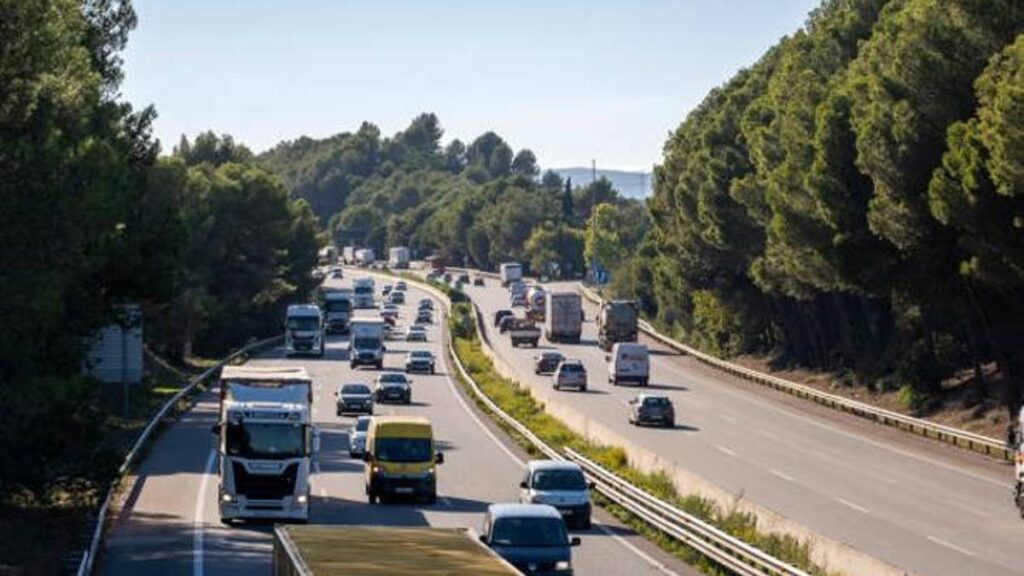
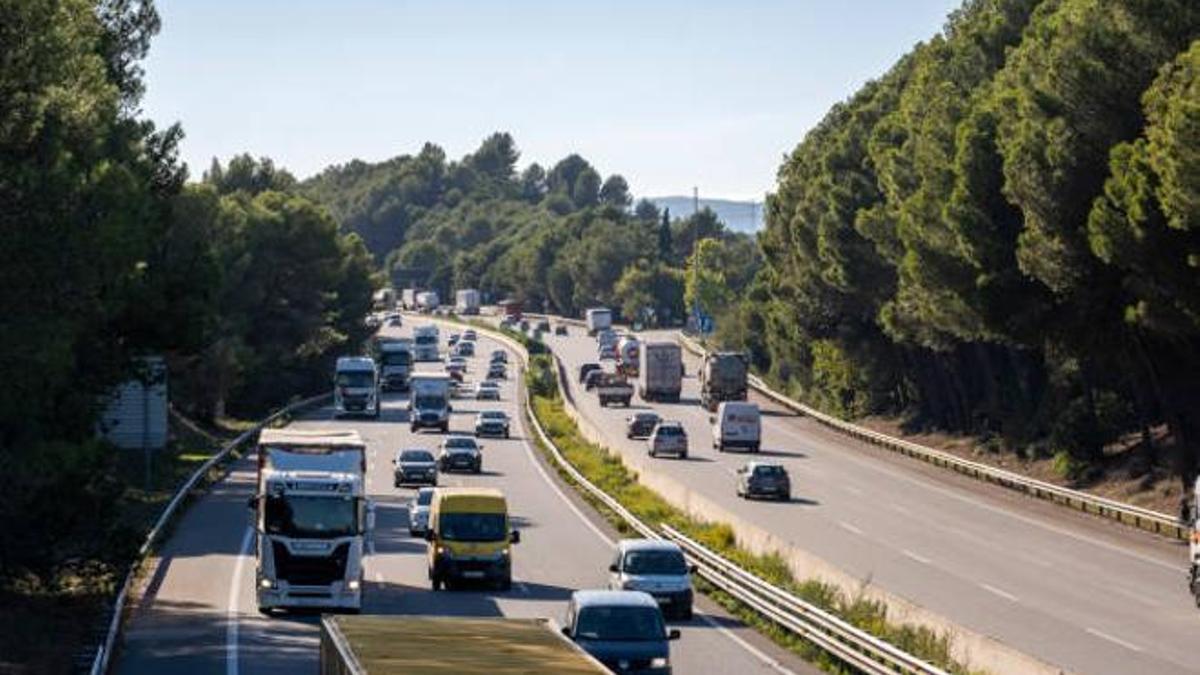
During rush hour, certain areas of the Canary Islands and mainland Spain become heavily congested with traffic, leading many frustrated drivers to attempt dangerous manoeuvres to gain a few metres. Weaving or zigzagging between lanes is one of the most heavily penalised actions, and Spain’s Directorate-General for Traffic (DGT) has once again highlighted it due to its high risk of causing accidents.
What Constitutes Lane Weaving and Why Is It So Dangerous?
This practice involves constantly and abruptly changing lanes without a clear objective, creating uncertainty for other road users. According to the DGT, besides being an aggressive action, it significantly increases the probability of accidents, especially when traffic is dense. Performing such manoeuvres in heavy traffic, when other drivers are also unable to progress, is particularly hazardous. A distracted driver may not anticipate the movement, leading to sudden braking or the invasion of another vehicle’s space.
The behaviour also increases stress, tension, and aggression behind the wheel. Furthermore, it prevents other drivers from anticipating movements, drastically reducing their reaction time to any unforeseen event on the road.
The Hefty Fines and Penalties You Could Face
Weaving between lanes is classified as a serious traffic infringement, which carries a fine of €200. If an officer observes a driver changing lanes repeatedly and without reason, they will be sanctioned on the spot. Moreover, when these abrupt lane changes invade other lanes and create an obvious danger, the action can be classified as reckless driving. This type of behaviour behind the wheel is punishable by a €500 fine and the loss of six points from the driver’s licence. The DGT’s objective is to reduce road accidents to a minimum and guarantee safety on all Spanish roads.
Essential Safe Driving Tips from Traffic Officers
“Lane changes should always be made with caution, following the RSM rule (Rear-view mirror, Signal, Manoeuvre),” traffic officers advise. To guarantee road safety and ensure drivers conduct themselves securely, the DGT reminds motorists of these basic guidelines:
Plan your manoeuvres: Only change lanes when absolutely necessary.
Always signal: Drivers must always indicate their intention well in advance so other road users can react accordingly.
Maintain a safe distance: You can avoid last-minute braking by respecting this distance and staying attentive to the traffic.
Patience is a virtue: Cultivating patience helps avoid unnecessary risks and fines.
No post found!