

New “Second Chance” Programme for Struggling Freelancers
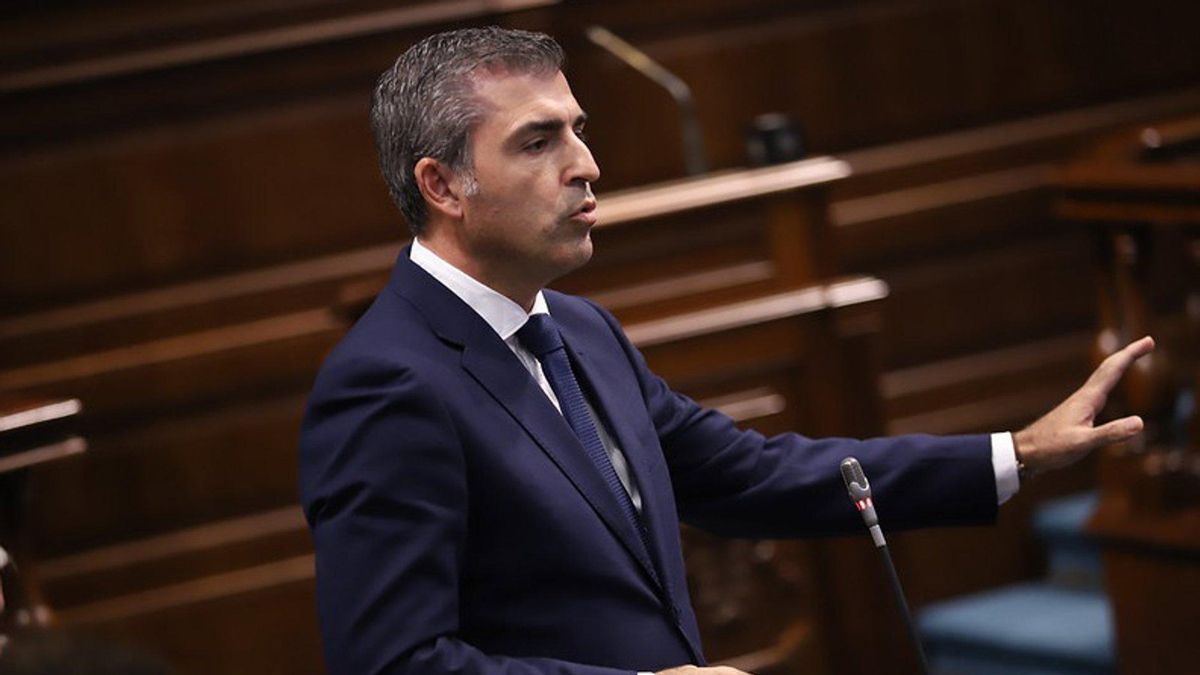
The Vice President of the Canary Islands Government, Manuel Domínguez, has announced a new programme to provide a “second chance” for self-employed workers in difficulty or those whose businesses have previously failed. The plan, which will offer mentoring, professional advice, and access to credit, aims to help freelancers start anew with greater security and effectiveness.
Parliamentary Review of Self-Employed Support
Domínguez made the announcement during a parliamentary session on Tuesday, following a request from MP Cristina Calero of the Canarian Coalition (CC). He reviewed the government’s existing measures to support the self-employed, a group he referred to as “employers,” highlighting their importance to the regional economy. While generally supported by parliamentary spokespeople, some critics argued the measures were insufficient or lacked adequate financial backing.
Key Existing Measures: Zero Fees and Conciliation Plans
The Vice President detailed several key policies already in place. He noted the creation of a dedicated General Directorate for the Self-Employed and the flagship “zero quota” scheme, which exempts new freelancers from social security contributions. In 2024, this benefited 2,651 people with a budget of €2.5 million, and is expected to help around 3,000 individuals in 2025 with €3 million allocated. The budget for 2026 is set at €3.3 million, with a commitment to increase funding if demand exceeds this amount.
He also outlined the ‘Plan Concilia’, which includes concrete actions such as subsidies of up to €1,100 per month to hire a replacement worker during maternity, paternity, or high-risk pregnancy leave. Another measure provides grants of €7,500 (extendable to €9,000) to hire care support for dependents or children under 12.
Further Financial Support and Future Goals
Other adopted measures include aid for hiring a first employee aged 52 or over, and from 2026, a two-point interest rate bonus on loans for three years. Additionally, the regional government will cover social security contributions for temporary incapacity for the first 60 days of sick leave in specific circumstances.
Domínguez stressed that all these policies are fully funded to avoid launching measures without proper resources. The overarching goal, he stated, is to make the development and sustainability of self-employment a structural, long-term feature of the economy with stronger future guarantees, rather than a temporary situation. “These policies aim to ensure the development and maintenance of the self-employed sector is not temporary, but structural, with greater strength, future security, and responses to concrete needs,” he concluded.
No post found!