
Police Operation Ends Lengthy Hotel Occupation
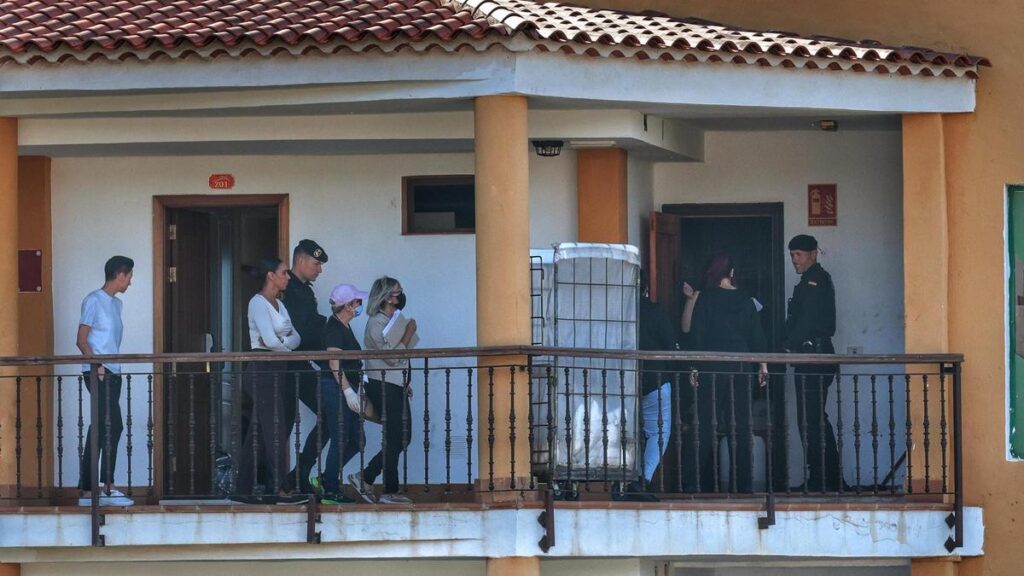
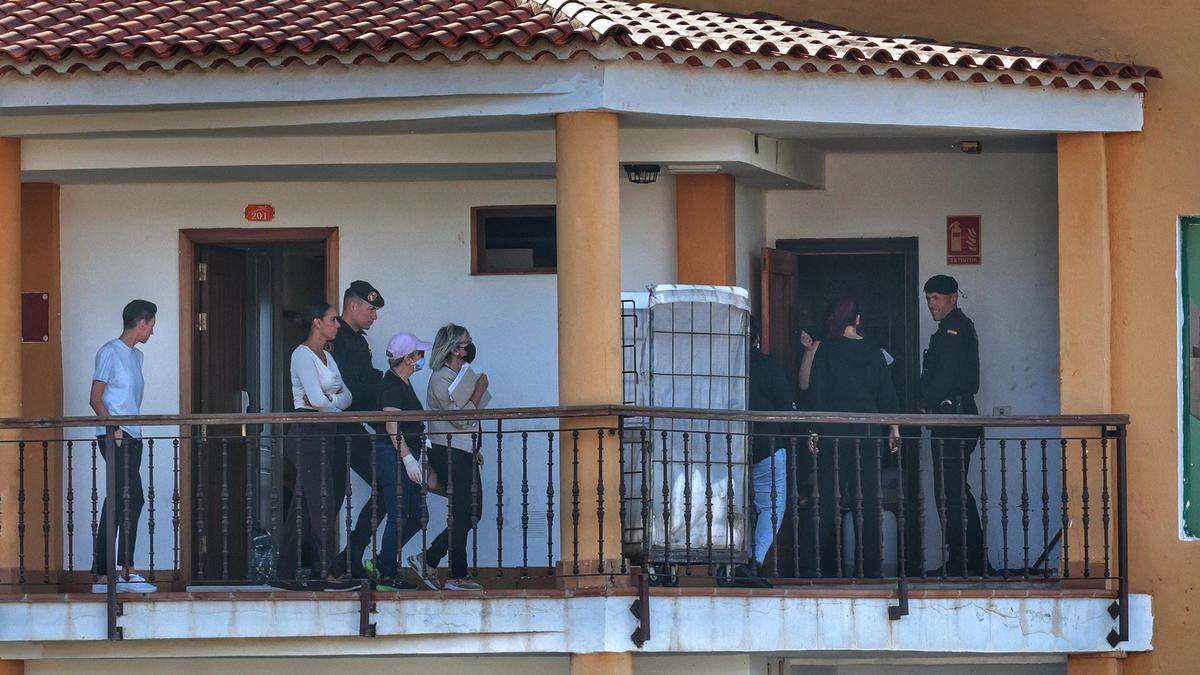
The one-month deadline set by the Provincial Court of Santa Cruz de Tenerife for illegal residents to vacate the Hotel Callao Salvaje Sport has now passed. The squatters had occupied the premises since mid-February. From the early hours of the morning, a heavy police presence was deployed, comprising Civil Guards, Local Police, Canary Islands Police, and National Police officers to secure the area for a judicial team and enforce the eviction order.
Inside the hotel complex, only around twenty squatters remained, who left without offering any resistance. Before they departed, National Police officers identified them to check for any outstanding arrest warrants or other pending judicial matters. The majority of the illegal occupants had already left over the preceding weeks, particularly following a fire that affected the complex’s electrical panel.
Final Act of Defiance and a Decade of Decline
Just a few minutes after 7 am, some of the remaining squatters set fire to belongings inside the tourist complex. The glow of the flames raised fears of another significant blaze, echoing an incident just five days prior. The Fire Brigade was alerted immediately, though their intervention ultimately proved unnecessary: several of the illegal residents themselves managed to extinguish the fire before it could spread out of control.
This incident adds to a long list of episodes that have marked the ten months of occupation, a period more than sufficient to leave the hotel in a profoundly devastated state. Constant looting, acts of vandalism, and a lack of basic hygiene have turned the building into a shadow of its former self, deteriorating it to extremes that are difficult to imagine. Nearly 300 people have lived illegally within its rooms since mid-February, and the impact of that massive presence is felt in every corner.
Owner Describes “Devastating and Deplorable” Scene
Margarita Domínguez, sole administrator of Construcciones Domasa SA—the company that owns the hotel—summarises the situation with stark words: “Devastating and deplorable,” she states, convinced that the property is completely “destroyed.” Since the occupation began, the 92 rooms of the Grand Hotel Callao Sport have been occupied by people residing there without paying for any basic services.
The law prevents the owners from cutting off the electricity or water, which forced Domasa SA to pay exorbitant bills, especially for electricity, which at times tripled the consumption recorded when the hotel was operating normally. “We have paid more than €30,000 in electricity bills, about €13,000 in rubbish collection taxes, plus property tax. We feel unprotected because despite contacting Adeje Town Hall to seek a solution, they haven’t even replied to us,” states Domínguez.
The company administrator also highlighted “the discrepancies in decisions taken within the judicial system, with a court in Arona that did not resolve our claims and, on the other hand, the Provincial Court which resolved the eviction in less than a month.”
From Four-Star Hotel to Squatted Ruin
Over the last ten months, neighbours and representatives of the ownership observed a constant flow of people entering and leaving the premises. Most occupants were young, though children and some older people were also seen. High-end vehicles would often arrive, with families and minors getting out, staying for a short time before leaving, making way for new tenants.
This contrasted sharply with the hotel’s origins. Domasa SA inaugurated the Callao Salvaje Sport in 2009, after converting facilities originally focused on accommodation linked to sporting activity. Without abandoning that focus, the new phase aimed to attract French tourism, and the complex achieved a four-star category, with a permanent staff of 45 workers.
However, the arrival of the Covid-19 pandemic and the subsequent lockdown forced its closure. Although it briefly reopened in July 2020, it ceased activity again two months later for economic reasons. The owners decided to put the hotel up for sale, maintaining only periodic maintenance work.
The Occupation Takes Hold
On 18 February, an attempted robbery marked a critical point: surveillance cameras and equipment were destroyed, among other damage that required intervention from the Civil Guard. Two people were arrested—a third managed to escape—and one officer had to receive medical attention at a nearby hospital. By that time, about twelve people were already living there, and just three days later, the number had increased to around fifty, as confirmed by the Local Police and the company itself.
Construcciones Domasa tried to stop the situation through legal channels, filing two lawsuits, one civil and one criminal. However, neither succeeded; even the Court of Instruction number 2 in Arona denied the precautionary measures they had requested. Meanwhile, around the hotel, neighbours’ concerns grew. Nights were filled with music, shouting, arguments, and fights, a panorama that, according to some, became “our daily and nightly bread.”
An Uncertain Future
What will happen to the Gran Hotel Callao Sport remains to be resolved. Its rehabilitation, still uncertain, represents a challenge whose scale can only be understood by walking through the emptied corridors, the damaged rooms, and the spaces that once housed an ambitious tourism project and now await a decision on their future.
No post found!