Ancient Seeds Tell a New Story of the Canary Islands
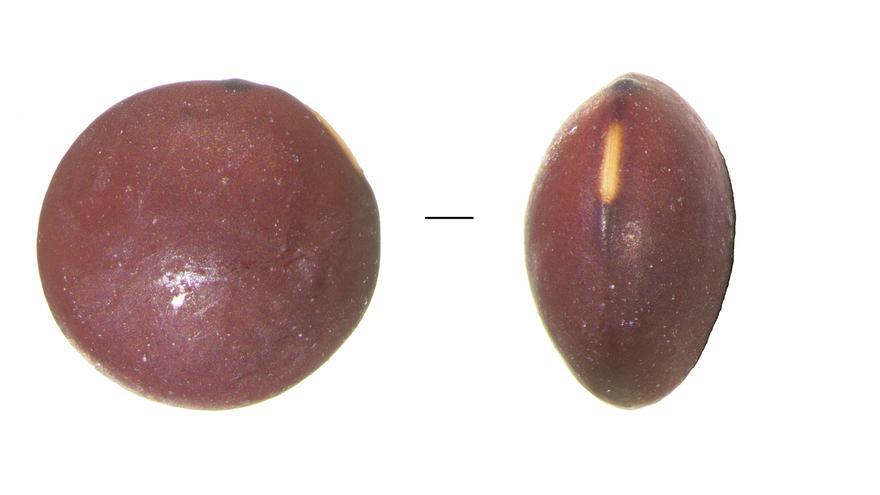
In an archaeological breakthrough featured by National Geographic, scientists from the University of Las Palmas de Gran Canaria and Sweden’s Linköping University have turned back the clock on Canarian agriculture. Their subject? Tiny lentil seeds discovered in silos carved directly into the volcanic rock of Gran Canaria. Using cutting-edge genetic techniques, the team managed to extract DNA from these ancient seeds, revealing a story of resilience and continuity that has shaped the islands’ food for centuries.
A Direct Link to the First Settlers
The landmark study, the first of its kind in the archipelago, concludes that the lentils cultivated and eaten in the Canary Islands today are direct descendants of the varieties first brought by the original Berber colonizers around 300 AD. Project leader Jenny Hagenblad, a Swedish geneticist, points out a fascinating historical twist: despite the drastic decline of the indigenous population after European contact, the new settlers adopted and continued to farm the existing local crops.
The Unsung Heroines of Canarian Agriculture
The findings shine a particularly bright light on the role of indigenous women in maintaining agricultural traditions. Researchers believe their deep knowledge of what to plant and how to manage the crops was absolutely essential for preserving these ancient lentil varieties right up until the arrival of Europeans in the 14th century. This expertise, passed down through generations, became the backbone of the islands’ food security.
Volcanic Silos: A Testament to Ancient Ingenuity
The seeds that made this discovery possible were found in remarkable underground silos, meticulously carved into the volcanic bedrock. These chambers were engineered by the ancient Canarians to store grains and legumes for extended periods. This brilliant preservation technique is what allowed some seeds to remain in near-perfect condition for genetic analysis centuries later, unlocking vital clues about the archipelago’s historical farming practices.
A Living Legacy for a Changing Climate
Beyond tracing history, the research uncovered significant genetic diversity among modern lentils from different islands. According to Jonathan Santana of the University of Las Palmas de Gran Canaria, this rich variability is not just a historical artifact; it could be crucial for developing more resilient crops capable of withstanding the challenges of climate change. The Canary Islands, it seems, are sitting on a treasure trove of agricultural potential.
A New Chapter for Island Agriculture Studies
Funded by the European Research Council (ERC) and Spain’s Ministry of Science and Innovation, the project utilized genomic analyses at Sweden’s National Academic Infrastructure for Supercomputing. Scientists emphasize that this discovery does more than just confirm the historical importance of Canarian agriculture—it opens exciting new avenues for research into crop adaptation and conservation in unique island environments, proving that the past holds the keys to our future.