An Essential Response for Canarian Vineyards
According to Brazilian researcher Leonardo Cury da Silva, a leading international expert in regenerative viticulture, adopting these practices in the Canary Islands is no longer a choice but “an obligatory response to new climate scenarios.” He delivered this message during recent visits to Tenerife and La Palma, organized by the Chair of Agrotourism and Enotourism of the Canary Islands, a collaboration between the Canarian Institute of Agro-Food Quality (ICCA) and the University of La Laguna (ULL).
Learning from Global Parallels
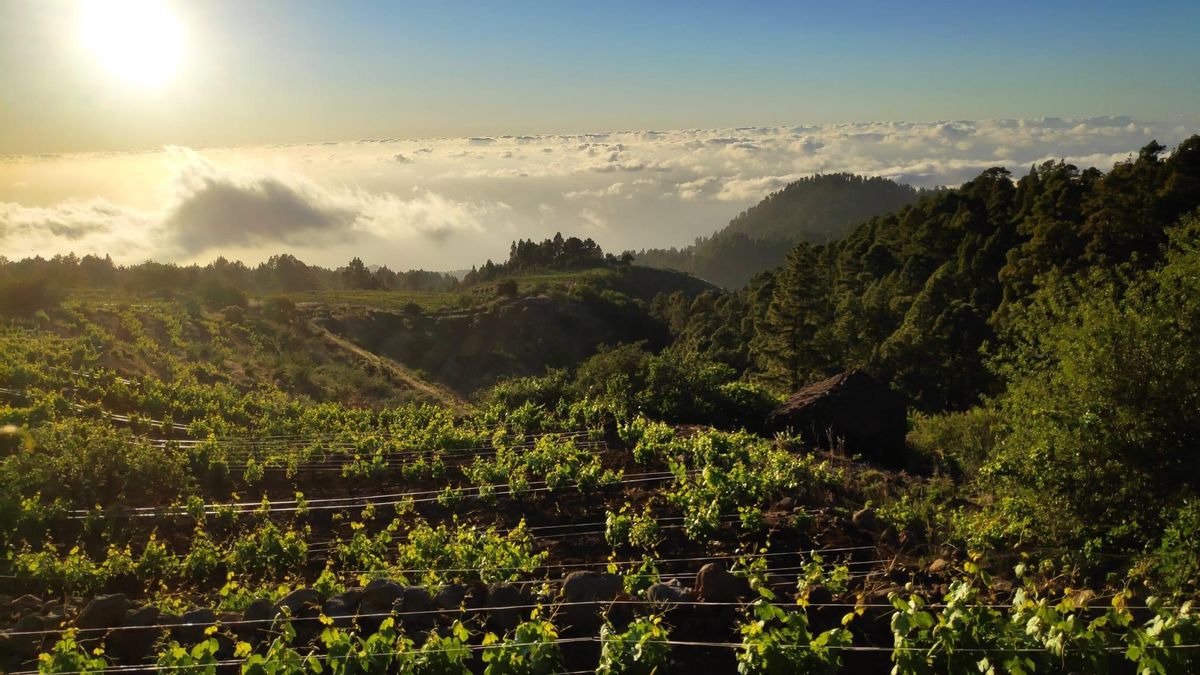
During his talks, Cury highlighted the striking parallels between the Canary Islands and certain Latin American wine regions, such as Brazil’s Serra Gaúcha or high-altitude tropical vineyards. The University of La Laguna noted that he emphasized how volcanic soils, which are particularly vulnerable to erosion and water scarcity, require specific regenerative techniques. These methods are designed to increase organic matter, promote a living and biodiverse soil, strengthen root systems, and reduce dependence on external inputs.
Innovative Techniques for a Unique Terroir
Cury also pointed to the potential of “double pruning,” a technique used in tropical regions to manage vegetative cycles in the face of unpredictable weather, suggesting it could be a highly useful tool in the Canarian context. He cited successful experiences in countries like Brazil and Peru, where regeneration has enabled the production of wines with a stronger expression of terroir and greater sensory complexity. This, in turn, has reinforced the international competitiveness of these regions.
A Strategic Investment for the Future
Ultimately, the expert affirmed that for the Canary Islands, the adoption of regenerative practices represents a strategic investment. It is a move that guarantees vineyard resilience, preserves the iconic agricultural landscape, and strengthens the global positioning of the archipelago’s wines. This is especially crucial in a market that is increasingly oriented towards sustainability, territorial identity, and excellence.