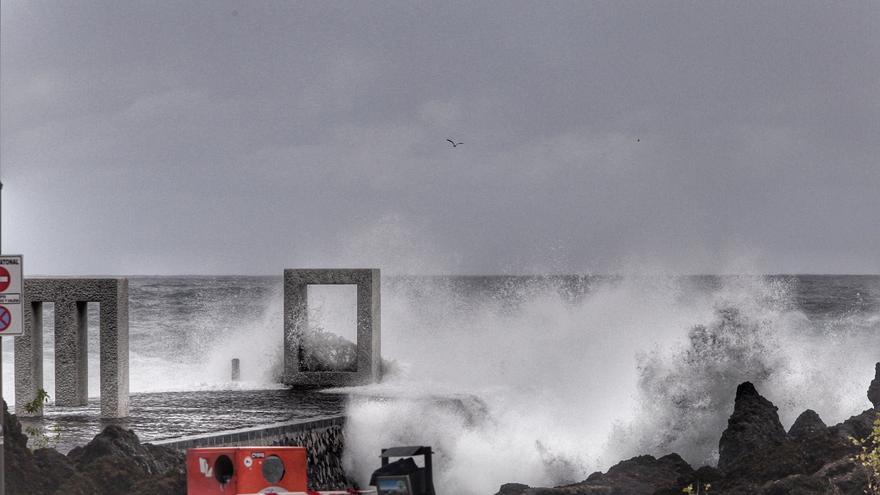
A Major Boost for Green Initiatives
The Canary Islands are leveraging European Next Generation funds (also known as the MRR) to double their investment in the fight against climate change and substantially increase the budget for Ecological Transition. Next year, the regional ministry will allocate 65 million euros to combat global warming. This funding will support a range of actions, from fostering vital research and adapting the islands to extreme weather events to creating the Canary Islands Carbon Footprint Register.
Where the Money Comes From
The budget for the Department of Ecological Transition is one of the most significantly increased for the upcoming year. The total allocation of 456 million euros represents a striking 44.78% increase compared to the previous year. However, in practice, the majority of these funds originate from the European reserve established after the pandemic. A mere 15% of the department’s budget increase comes from the Canary Islands’ own funds (approximately 21 million euros), with the remaining 119 million euros coming directly from Europe.
This pattern is consistent across the entire regional budget for Ecological Transition. Of the total 456 million euros, only 31% comes from the Canary Islands government’s own funds, while a substantial 69% is sourced from the MRR. This heavy reliance on external funding has led the political opposition to warn that these budgets are leading the archipelago towards a “financial cliff,” arguing that the islands will lack the capacity to maintain these programs once European funding ends.
Political Debate and Energy Focus
During parliamentary discussions, Socialist representative Alicia Vanoostende criticized the strategy, stating, “The Canary Islands’ bet is more of the same, because their own funds have not increased in recent years.” In response, the regional minister for the department, Mariano H. Zapata, defended the allocations. He shifted the focus, pointing out that the core problem lies with the Spanish national budget, which has been on a temporary extension since 2023, and insisted that his department had made a great effort despite the uncertain financial rules.
The budget for climate change action received the most significant boost this year. Minister Zapata explained this was necessary to “tend to minimize the risks” posed to a territory as fragile as the Canary Islands. Close behind in this wave of increased funding are investments in environmental quality, which received nearly double the funds at 18 million euros, and what can be considered the crown jewel: energy development.
The Crown Jewel: Energy Development
This key area will receive a total of 286 million euros—more than half of the entire budget and a 61% increase from the previous year. The funds are earmarked for a suite of ambitious projects, including the creation of a new energy plan, an action plan to improve the efficiency of processing thermal installation permits, and hiring staff for a specific program to address the energy emergency. The initiative also designates renewable energy acceleration zones and promotes the use of electric vehicles. Minister Zapata reiterated that a key objective for the year is to achieve “a reduction in electricity bill costs,” a goal on which he reported some progress has already been made.
Budget Cuts and National Park Funding
Not all environmental programs were so fortunate. Several have seen their budgets reduced, including those aimed at improving water quality (down 6.77%), environmental coordination and planning (cut by 31%), and biodiversity (reduced by 8%). Perhaps most notably, the budget for the maintenance of National Parks has been decreased by almost 20%, from 20.3 to 16.4 million euros.
Despite this overall cut, three iconic national parks will receive larger specific allocations than the previous year to reinforce their conservation work. These funds will support vital actions such as surveillance, visitor information, and infrastructure improvements. Garajonay National Park on La Gomera will receive the largest investment of 5.1 million euros, followed by Timanfaya National Park on Lanzarote with 3.5 million euros. The Caldera de Taburiente National Park on La Palma is set to receive 2.7 million euros.